![RFId Tag olupese [Osunwon | Oote | Odm]](https://www.fjrfidfactory.com/wp-content/uploads/2024/04/logo.webp)
Awọn ami NFC ti ile-iṣẹ
ẸSORI
Awọn ọja ifihan
RFID Famgric ifọṣọ
RFID Fabric Laundry Tag is an RFID fabric laundry tag…
RFID Silikoni Keyfob
Awọn LFID Silikoni Keyfob jẹ irọrun, ti kii se isokuso, ati ipa-sooro…
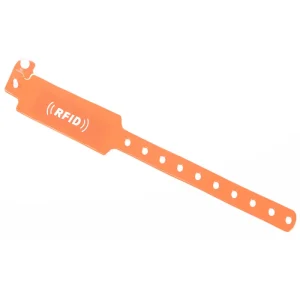
Alaisan rfid àkọkọ
Alaisan RFID àkọọlẹ ti wa ni pipade, aabo, and difficult-to-remove…
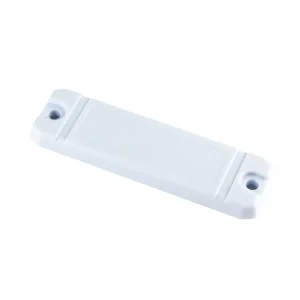
Ile-iṣẹ RFID Profaili
Industrial RFID tags use radiofrequency signals to identify items and…
Awọn iroyin to ṣẹṣẹ
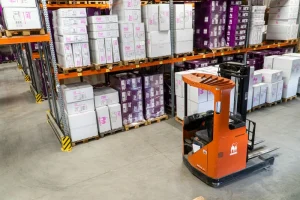
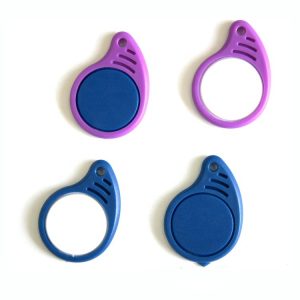
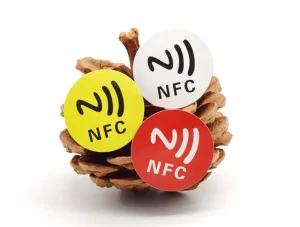
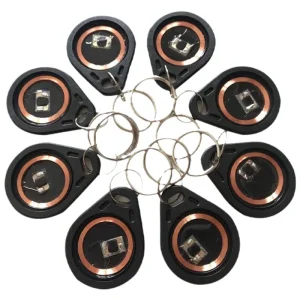
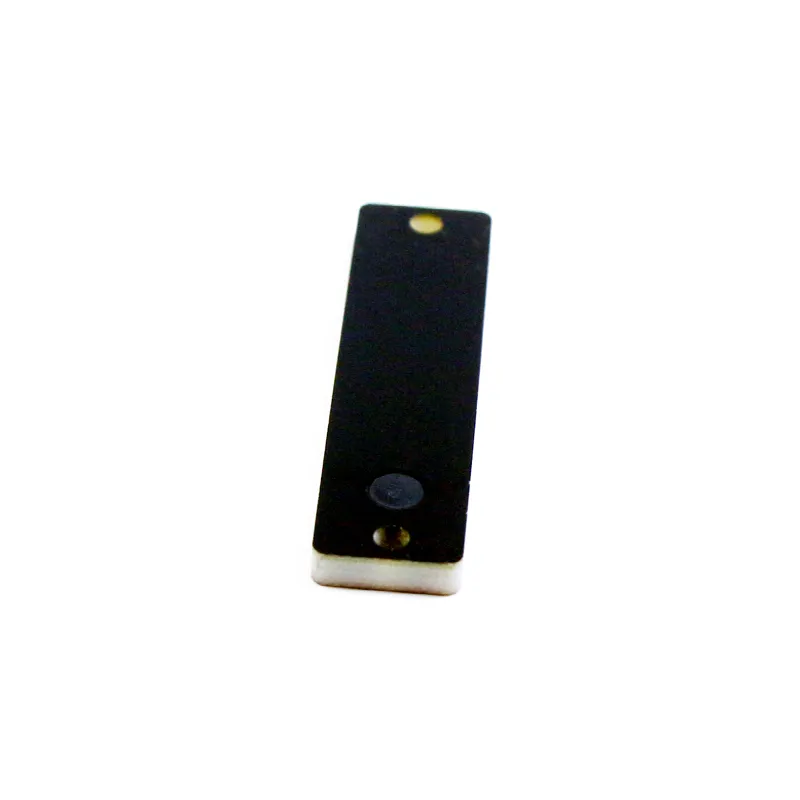
Apejuwe kukuru:
Electronic tags called industrial NFC tags are frequently utilized in industrial settings. They provide reliable and accurate data transfer and identification services for a range of industrial applications, based on near-field communication (Nfc) ọna ẹrọ.
Pin wa:
Alaye ọja
Electronic tags called industrial NFC tags are frequently utilized in industrial settings. They provide reliable and accurate data transfer and identification services for a range of industrial applications, based on near-field communication (Nfc) ọna ẹrọ.

Features of industrial applications:
- Resistance otutu-otutu: Industrial NFC tags can withstand high temperatures and still remain stable and reliable since they are composed of materials that can withstand high temperatures.
- High reliability: In complex industrial situations, they can reliably transmit data and perform identification tasks because of their high anti-interference characteristics.
- Idanimọ iyara: They can track and identify products more quickly and efficiently, enhancing the effectiveness of logistics distribution, when paired with industrial-grade tablets and other devices.

Form and purpose:
- Industrial NFC tags typically have a microchip and an antenna. The microchip can hold a variety of data, including text, Awọn nọmba, Url, and other forms of information.
- NFC readers or smartphones can scan and recognize this data, giving brand owners improved customer service and product control.

Areas of application:
- Industrial NFC tags are extensively utilized in asset management, product anti-counterfeiting, àfiwọdi Ẹya, and other domains.
- Through NFC tags affixed to commodities, logistics organizations can expeditiously identify and monitor goods during the logistics process, as well as achieve real-time logistics information collection and administration.
- NFC tags can help businesses discover, query, and monitor assets more quickly, which will increase asset management efficiency.
Iṣẹ ṣiṣe Stiti:
RFID Ilana: EPC Kilasi1 Gen2, ISO18000-6C Igbohunsafẹfẹ: (Awa) 902-928Mho, (Eu) 865-868Iru ICM MHZ: Impinj Monza 4Q
Iranti: EPC 128bits , Olumulo 512, Akoko 64 dike
Kọ awọn kẹkẹ: 100,000 Iṣẹ Iṣẹ: Ka / kọ iṣawari data: To 50 Ọdun ti o wulo: Awọn ibi-ilẹ irin
Ka ibiti :
(Fix oluka )
Ka ibiti :
(Amusowo Reader)
8.0M (Awa) 902-928Mho, lori irin
8.2M – (Eu) 865-868Mho, lori irin
4.9M – (Awa) 902-928Mho, lori irin
5.1M – (Eu) 865-868Mho, lori irin
Iwe-aṣẹ: 1 Ọdun
Tara Steti fi cation:
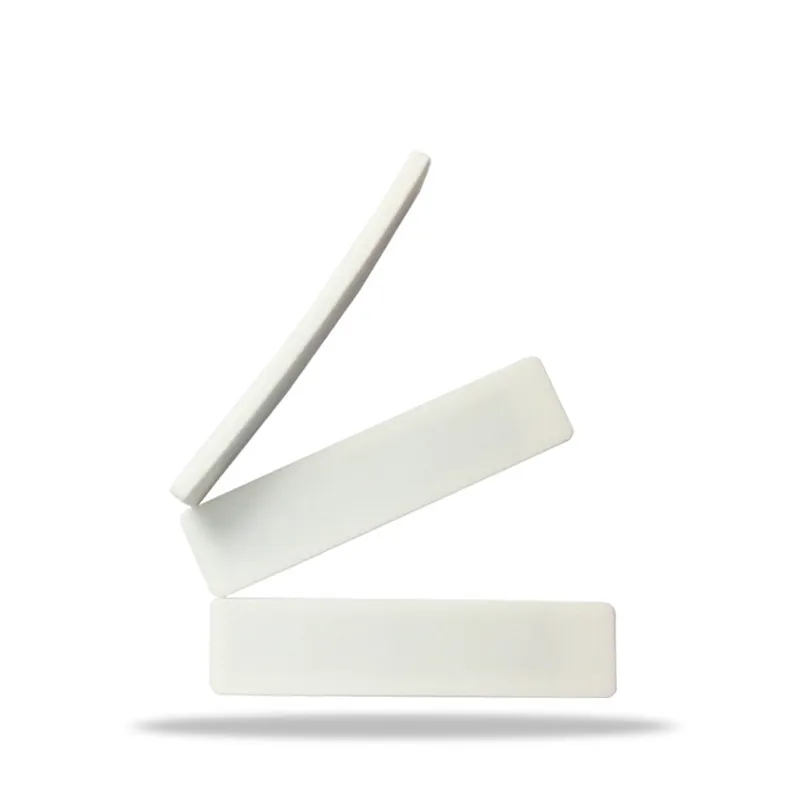
Iwọn: 52x13mm, (Iho: D3mm) Ipọn: 3.5mm
Oun elo: Fl4 (Pmb)
Awọ: Dudu (Pupa, Buluu, Alawọ ewe, ati funfun) Awọn ọna gbigbe: Oolẹ, Oun elo
Iwuwo: 5.5g
Awọn iwọn:

MT018 5213U2:


MT018 5213E1:


Agbegbe Steti fi cation:
Oṣuwọn ip: IP68
Otutu: -40° r to150 °. С
Iwọn otutu: -40° с Si +100 ° С
Awọn ajọ Certi: Dide ti a fọwọsi, Rohs fọwọsi, Fọwọsi
Bere fun alaye:
MT018 5213U2 (Awa) 902-928Mho, MT018 5213E1 (Eu) 865-868Mho